SPIN⟲
ABOUTRESEARCHBLOGPEOPLEWORK WITH USCONTACTRESEARCH
A-ZPROJECTSOUR WRITINGPODCASTSRESOURCES
Contending Securitization: Populism, Conspiracy Theories, and the COVID-19 pandemic
Tim Aistrope and Ugo Gaudino

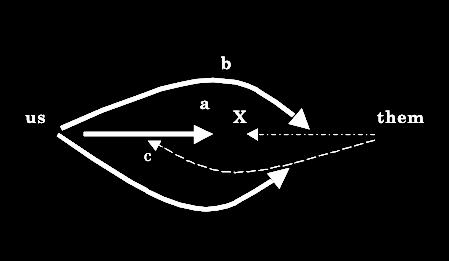
Bringing critical security approaches together with conspiracy theory research, this project examines the relationship between elite and populist securitization by taking seriously the security politics of conspiracy theories.

Feminist Counterpublics in Authoritarian China: Resisting Repressions While Excluding ‘Weak’ Women
Yi Wang (SPIN Fellow 2025)

Yi Wang is a PhD researcher in Sociology at SPAIS, University of Bristol. Her research interests include gender, resistance, feminism, and social movement studies.

COSMOPOLEMOS
Edmund Clark and Crofton Black

This project presents an interplay of photographs and commercial transaction data reflecting the US military's activities around the globe from the attacks on 9/11 to the last day of the evacuation from Kabul in 2021 - two events that symbolically bookend America's role in the geopolitics of the current century.

GoSSIP
Dr. Elspeth Van Veeren (Bristol) and the GoSSIP group

Secrecy and ignorance as social practices have many-sided implications for how gender and sexuality are (re)constructed, yet this conceptual terrain is still to be fully mapped. This project therefore explores how secrecy and ignorance, are entangled with gender and sexuality: the Gender, Sexuality, Secrecy and Ignorance Project.

Articulated Absences and Silenced Souvenirs
Vera Zurbrügg

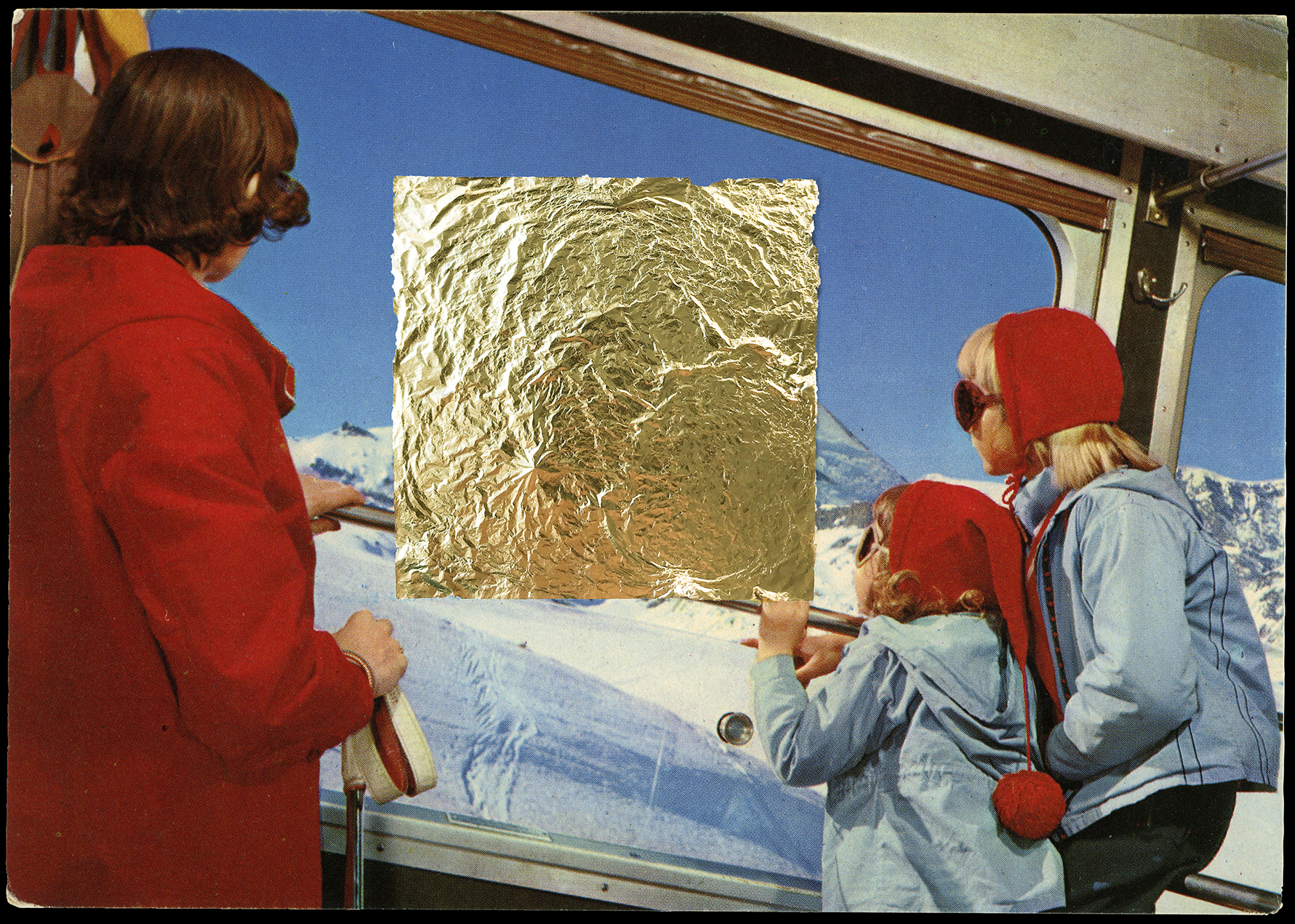
Visual artist and PhD researcher, Vera Zurbrügg, is exploring Switzerland’s complicity in the trading of Nazi gold through the development of a counter-archive: Articulated Absences and Silenced Souvenirs.

Sub Rosa (Under the rose)
Ashutosh Shaktan, SPIN-MPF Photo Commission 2024

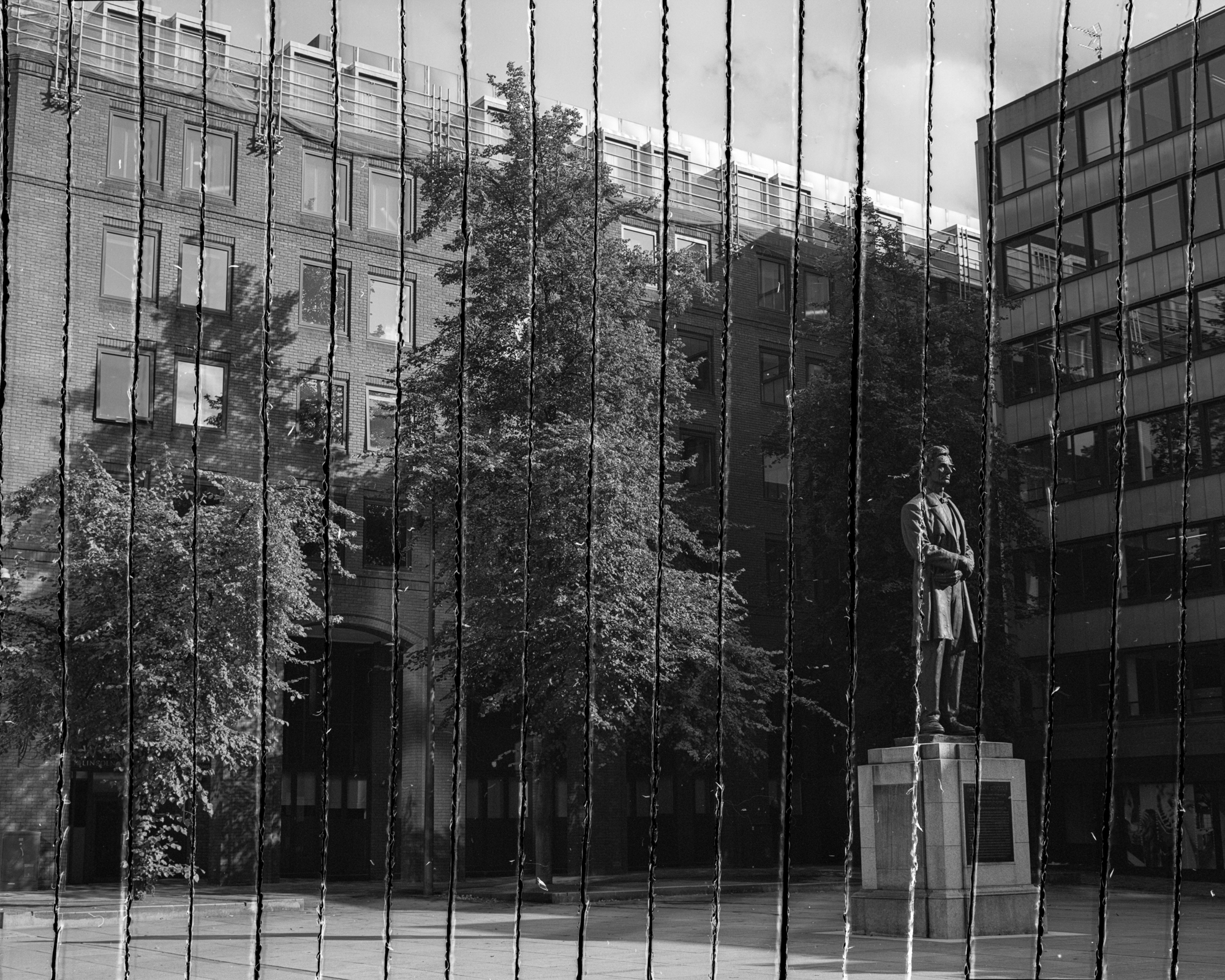
Ashutosh Shaktan's project (SPIN-MPF Photo Commission 2024) combines traditional analogue photography with traditional knowledge and information destruction methods used by the state and other organizations.

Socio-technical and Socio-legal Freedom of Information in British Columbia
Spencer Izen

Student of political science, sociology, and information science at the University of British Columbia, Spencer Izen aims to examine the process of freedom of information.

The Logic of Cunning: Deception & Inquiry in International Politics
Sam Forsythe

Doctoral Researcher in International Security at the Peace Research Institute Frankfurt explores how the logic of deception can shape the politics of international security.

Hidden Transcripts of Violence in British Military Courts
Hannah Richards

PhD researcher, Hannah Richards, provides insight into what happens inside the 'closed' space of UK military court centres.

Trading Zones
Lewis Bush, SPIN Research Fellow 2023

Lewis Bush, SPIN Research Fellow 2023, investigates the connection between onshore and offshore tax systems in the relationship between the Bailiwick of Jersey, and the City of London.

Militarisation and the Social Media Presence of Arms Manufacturers
Dr Natalie Jester, Lecturer in Politics and Sociology, University of Gloucestershire

SPINster Nat Jester examines the Twitter feeds of three large US arms manufacturers: Lockheed Martin, Raytheon and Northrop Grumman. She argues that productive tensions of exposure (knowing) and revelation (societal acknowledgement) engender militarisation within arms manufacturers’ Twitter feeds.

The Politics of Scandals
Ana Flamind, PhD Researcher, University of Groningen
Cash’s Pit
Emily Graham, SPIN-MPF Photo Commission 2022

A photographic essay, commissioned by SPIN and the Martin Parr Foundation on the HS2 protests.

The CIA, Congress, and covert action
Luca Trenta, Swansea University

Secrecy and the politics of selective disclosure

Conspiracy Theory Series
Harvey Dryer, Politics BSc, University of Bristol

In this series of animated videos, Harvey Dryer, current Politics BSc student at the University of Bristol, critically engages with different ideologies and events associated with conspiracy theories.

A Social Science of The Medical Record: How Technologies Enacts The Clinic
Max Perry, University of Bristol

Why don't we have one medical record? When you visit your doctor, why can't they look at a screen and see the full history of medical interventions that make up your past medical history?

Justifying ‘Justice’: Tracing the role of ignorance in the cultural politics of punishment in the UK
Dr Chloe Peacock, ESRC Postdoctoral Research Fellow (October 2021), University of Bristol

Reflecting on the 10-year anniversary of the 2011 English ‘riots’, this ESRC Postdoctoral Fellowship asks how different forms of ignorance enabled and legitimised the state’s swift and startlingly punitive social penal and social policy reactions to the unrest, which disproportionately targeted young people from minoritised and marginalised backgrounds.

A-Z of Secrecy and Ignorance
SPIN Collective

A lexicon of secrecy and ignorance concepts and public engagement activities used to explore issues around secrecy, power and ignorance aimed at supporting researchers and the public to build a better understanding of how these concepts and knowledge unmaking impact our day to day lives.

How Torture Became Speakable
Dr. Lisa Stampnitzky, Lecturer in Politics, University of Sheffield

Lisa Stampnitzky's current book project, How Torture Became Speakable, aims to explain the puzzle of why the post-9/11 war on terror has been characterized by the open justification of practices that violate human rights norms, such as torture and assassination.

The Political Advantages of Racist ‘Ignorance’ (2021 SPIN Fellowship Project)
Zoé Samudzi, University of California, San Francisco

In consideration of the characterization of emboldened social movements throughout President Trump's tenure in office, this project is investigating the semiotic relation of white supremacist/nationalist actors, and the relation that "regular" white society has to these movement politics.

#Classified: The CIA on Twitter (2021 SPIN Fellowship Project)
Louise Pears, University of Leeds & Rhys Crilley, University of Glasgow

Our project investigates the communication practices of an intelligence agency to consider what is revealed and what is hidden through a critical interrogation of the CIA's tweets and audience responses to them, to ultimately consider practices of legitimacy, authority, and power in the digital age.

Lost in Manchego (2021 SPIN Fellowship Project)
James Mansfield, University of Reading

This project undertakes a speculative investigation of a number of sites in rural Scotland, from a ruined abbey to a restricted military training area, to create a short publication documenting the research, alongside a critical text which considers the potential of 'fictioning the landscape'.

Secrecy and Power-sharing
Neil Matthews, University of Bristol

Comparative research has largely overlooked the role of secrecy in the effective functioning of power-sharing government. This project accounts for the nature and practice of secrecy in the contemporary politics of Northern Ireland and assesses elite attitudes towards the functional necessity of ‘opaqueness’ in a consociational democracy.

Learning Magic
Brian Rappert, University of Exeter

This project considers the possibilities for action associated with concealment, revelation, and deception through examining how they figure into entertainment magic. 

The Politics of the Online Alt-Right
Uygar Baspehlivan, University of Bristol

This project navigates and critically analyses the production of Alt-Right/far-right/neo-fascist subjects in online cultural spaces of humour, popular culture and conspiracy. It aims to understand how the online as a particular and novel space of political and cultural activity has become an integral part of processes of far-right knowledge production as well as subject production.

Listening in on the Secret State: Numbers Stations and the Aurality of Secrecy
Oliver Kearns, University of Bristol

This ESRC New Investigators-funded project examines the relationship between sound, secrecy and state-making over the last century. The project focuses on numbers stations: shortwave radio broadcasts used to send coded messages to spies abroad.

Secrecy and History in the Northern Irish Context
Thomas Leahy, Cardiff University

My research looks at secrecy in terms of British intelligence’s war against the Provisional Irish Republican Army (IRA) between 1969 and 1998 in Northern Ireland. In my forthcoming book with Cambridge University press entitled The Intelligence War Against the IRA (2019), I argue against existing literature by suggesting that the IRA was not forced into peace by British intelligence.

Social Suffocation
Olu Osinoiki⁣⁣, Olumedia

This photographic commission explores the relationship between secrecy and ignorance. With support from SPIN, the Martin Parr Foundation, and Rising Arts Agency, this photographic series seeks to explore: what secrecy mean to individuals; who keeps secrets; what is ignorance; and, how might secrecy and ignorance be interconnected?

How do Bisexuals and Plurisexuals Experience, Interpret, and Understand Gender?
Rosie Nelson, University of Bristol

My work focuses on the sociology of sexuality. Focusing particularly on liminal identities including plurisexuality, bisexuality, pansexuality, and non binary gender identities, I explore how people show/hide their sexual and gender identity based on the communities around them and the perceived levels of acceptance.

Tracings / Traced Papers / Screened Pages
Robert Luzar, Bath Spa University

This project incorporates writing, art, and social-political events to ‘trace’ notions of secrecy, structural change, and erasure. This involves crossing disciplines of writing and analysis with ways of creatively working through approaches including drawing, installation, the Web, and performance.
Queer Peace and Security Secrets
Jamie Hagen, Queen's University Belfast

Lesbian feminist organizing has played a significant role in women’s peacebuilding work, including in anti-war and abolitionist organizing. This project considers how queer people, especially women, in peace and security work continue to remain invisible even in work to promote a gender perspective in peace and security spaces.

Rival Knowledges, Secrecy and Stowaway Cultures
Amaha Senu, Cardiff University

Through this project, I am attempting to rethink some of the findings from my research into the governance and treatment of maritime stowaways in global shipping through themes of secrecy, rumour and ignorance.

Verification in the Age of Google
Henrietta Wilson, SOAS University of London

My research raises questions about the porous boundaries between ‘open’ and ‘closed’ (secret) sources, and the conditions in which increased transparency supports global efforts to strengthen human security.

Secrecy in Flow: Maritime Security, Heroin Trafficking and Tactical Knowledge
Amaha Senu, Cardiff University

Rival actors of transgressors and enforcers in the organisation of heroin trafficking across the maritime space in the Indian Ocean generate their own tactical knowledge to outmanoeuvre each other.

Rethinking Secrecy in the U.S. Shadow War
Elspeth Van Veeren, University of Bristol

This project explores how hunting is now the structuring metaphor of post-9/11 security.

From Panopticon to Arcanon: The Power of Secrecy Machines
Elspeth Van Veeren, University of Bristol

This project presents a new concept for making sense of secrecy and its power. Re-reading and re-working the well-known concept of the panopticon and the practices and power of surveillance, the Arcanum offers a way to understand the layered compositions of secrecy as encompassing a series of interlocking practices.

Parliamentary Inquiries into Intelligence: Informational Battlegrounds
Claudia Hillebrand, Cardiff University

The realm of intelligence provides an important space to examine openness and secrecy in a democratic context. I am particularly interested in how transnational intelligence cooperation and counter-terrorism interact with practices of secrecy, accountability and oversight.


Loading Comments...